Why Mages Break Tactics Games (And How to Balance Them)
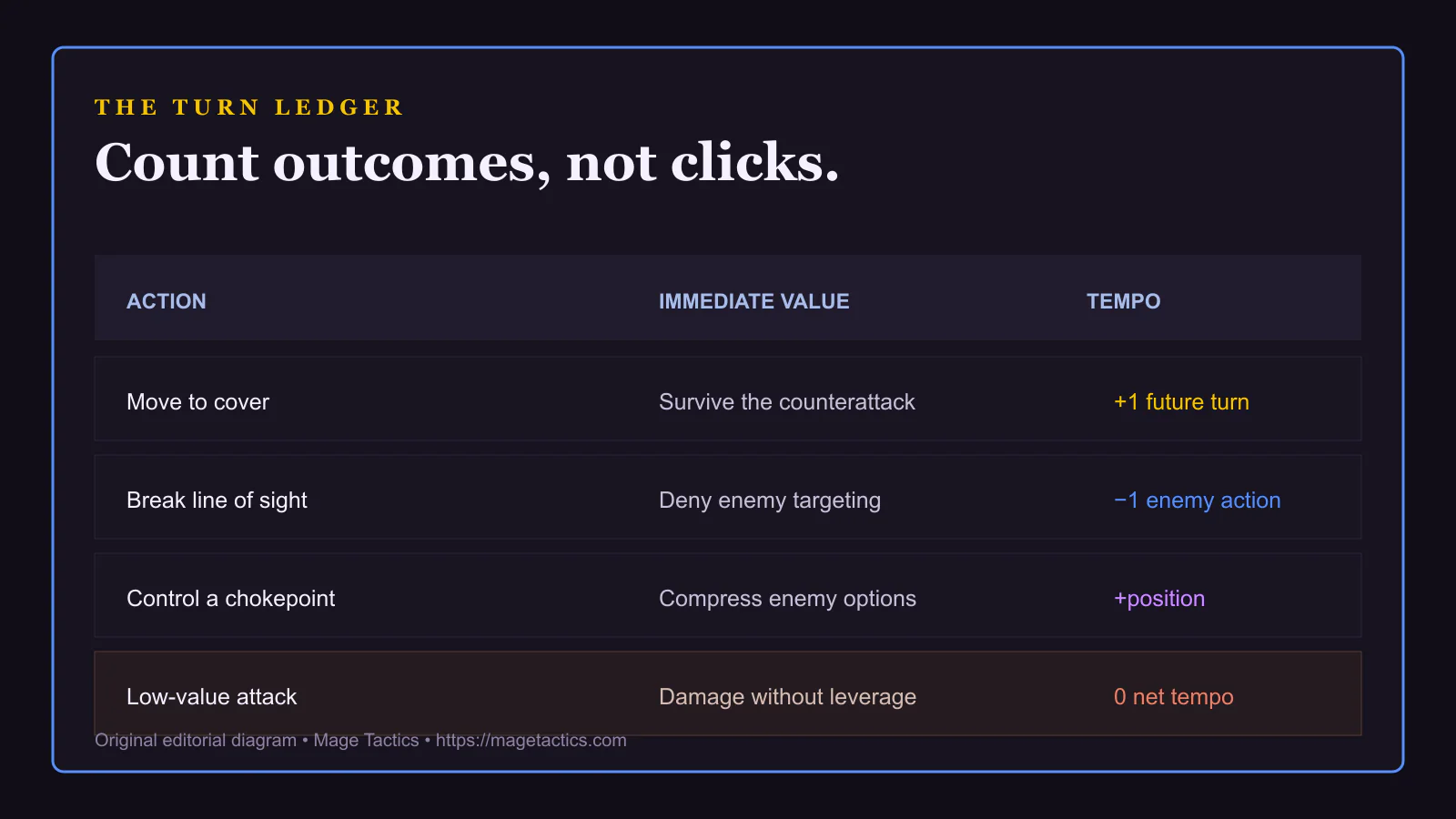
Image: Mage Tactics
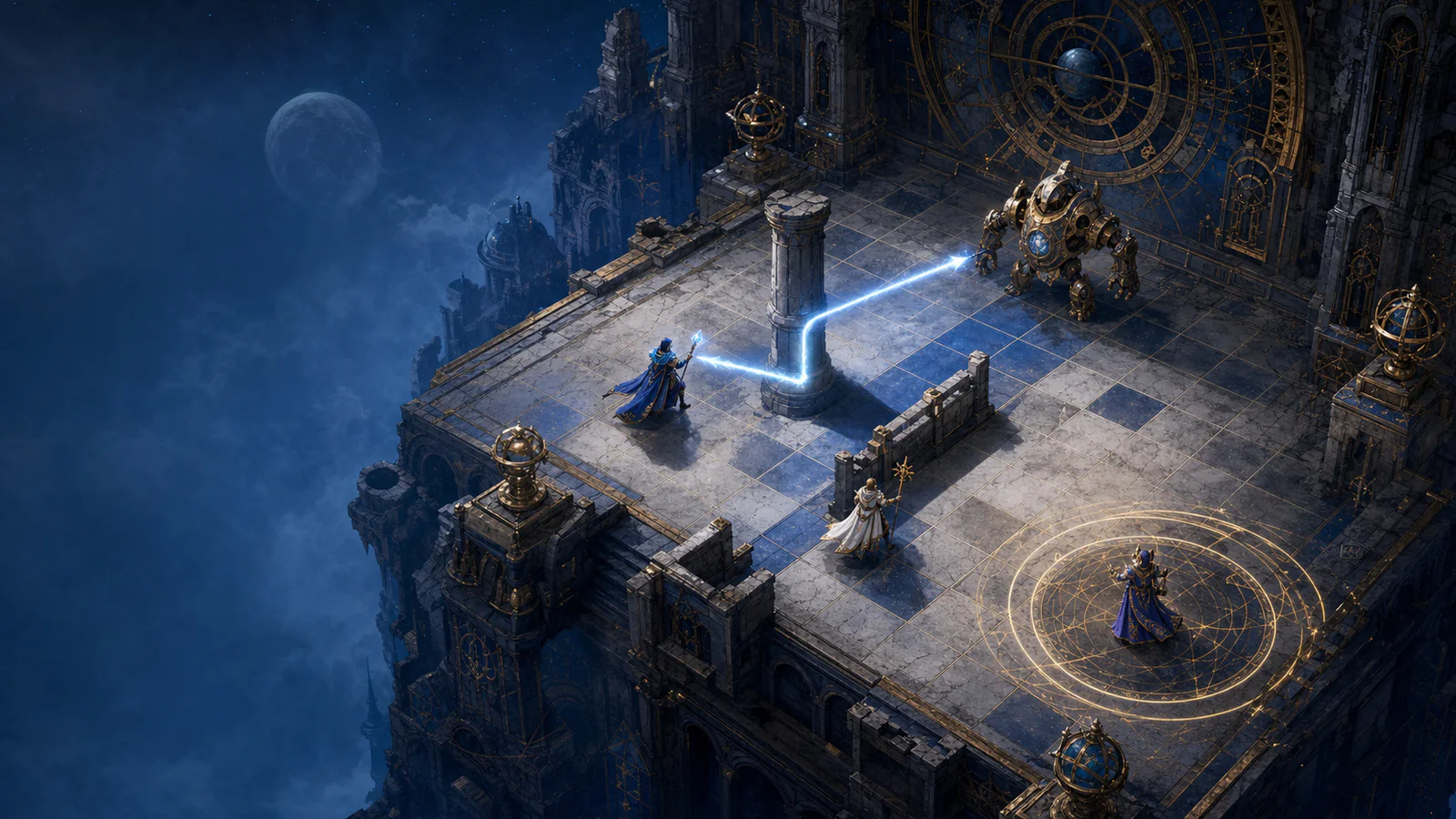
In most turn-based tactics games, there is an unspoken contract. You maneuver for angles, you respect cover, you accept that a shot can miss. Then a mage walks in and tears the contract up. Area spells hit whole clusters at once, elemental damage ignores the armor everyone else fights through, and control magic deletes enemy turns without firing a shot. Mages are the most fun and the most dangerous units in the genre precisely because they refuse to play by the rules that make tactics feel like tactics.
The Rules Mages Get to Ignore
To understand why spellcasters warp balance, look at the constraints they sidestep that keep other units honest.
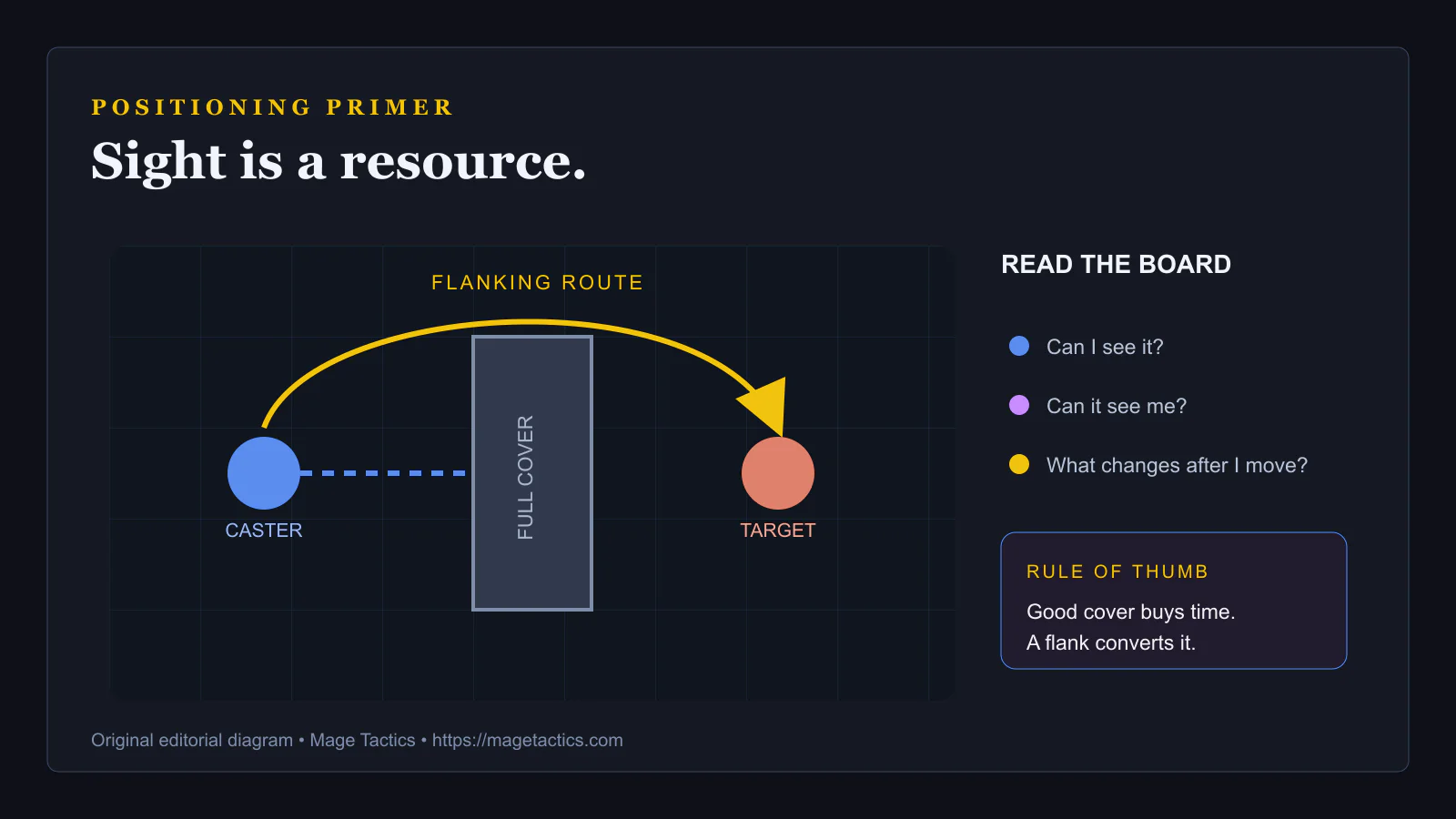
- Cover and flanking: a soldier has to circle for an angle. A fireball that hits an area does not care which way the target’s wall faces. Many spells ignore the positioning game entirely.
- Single-target math: most units delete one enemy per action. Area spells convert one action into damage against three, four, or more units, which is a direct assault on action economy.
- The miss: guns roll to hit. Plenty of spells auto-hit or force a saving throw, trading the tension of a percentage for reliable output.
- Damage typing: physical attackers grind through armor. Elemental and magical damage frequently bypasses it, turning a tanky enemy into a soft one.
Any one of these would be strong. Stacked on a single unit, they explain why an unchecked mage snowballs a fight faster than any other class. The mage is not just a strong damage dealer. It operates on a different and more forgiving set of physics than the rest of your squad.
Why This Is a Design Problem
A unit that ignores the core systems does not just win harder. It makes the systems irrelevant. If a mage clears every cluster before your soldiers move, cover, flanking, and line-of-sight stop mattering, and the game you signed up for quietly disappears. The challenge for designers is to keep spellcasters exciting without letting them flatten the tactical layer that gives the genre its identity.
The Levers Designers Pull
Balancing mages is a matter of attaching a real cost to that rule-breaking power. The strongest tactics games use several levers at once.
| Balance lever | How it works | What it costs the mage |
|---|---|---|
| Mana or spell charges | Limits how often big spells fire | Forces choices about when to spike |
| Cooldowns | Spaces out the strongest abilities | Prevents turn-after-turn nukes |
| Fragility | Low health and defense | Punishes bad positioning hard |
| Short range or setup | Requires exposure or a turn to channel | Reintroduces the positioning game |
| Friendly fire | Area spells can hit your own units | Adds a targeting cost to blasts |
The pattern is consistent. Give the mage a rule-breaking effect, then take something back. A caster that nukes a whole cluster but dies to a single flank is balanced by its fragility. One that ignores armor but only fires every few turns is balanced by its cooldown. The fun survives; the dominance does not.
Playing With and Against Mages
For players, the same logic runs in reverse. Your own mage is a glass cannon, so the skill is protecting it long enough to unload while keeping it out of flanking range. Against enemy casters, the answer is almost always tempo: rush them, break line-of-sight to their area spells, or spread your units so a single blast cannot catch the whole squad. Clustering up in front of a mage is how good squads lose in one turn.
The 2026 tactics slate leans into spellcaster identity as a genuine differentiator, with mage and magic systems used to stand out in a crowded grid-tactics field. That makes understanding these units, and the costs attached to them, more valuable than ever whether you are climbing a campaign or evaluating a new release.
FAQ
Why do area spells feel so much stronger than single-target attacks? Because they attack action economy directly. One action that damages several enemies is worth several ordinary actions, which is why designers gate area spells behind mana, cooldowns, or friendly fire.
Are fragile mages actually balanced or just annoying? Fragility is a real balance lever when the game gives enemies a way to reach the mage. If nothing can punish a squishy caster’s position, the fragility is only cosmetic and the unit is overtuned.
Should I always bring a mage? Not automatically. A mage is a role, usually control or burst damage. Bring one when your party needs that answer, not by reflex.
Key Takeaway
Mages break tactics games because their power ignores cover, single-target math, the miss, and armor, the very rules that make the genre tactical. Good design keeps them thrilling by attaching a real cost through mana, cooldowns, fragility, or range, and good players win by protecting their own casters while denying enemy ones the clustered targets they crave.
turn-based tacticsmage tacticsgame balancespellcastersgrid tactics